Learning how to film a testimony video requires preparing your subject through a structured pre-interview to ensure the story is clear and free of complex jargon. You should prioritize high-quality audio and natural framing while recording in a quiet, comfortable setting to capture an authentic message. Once captured, edit the footage to align with your ministry's goals for both in-person services and online outreach.
Capturing a soul's transformation on camera should be a holy experience, yet many Indian ministries struggle with technical hurdles that distract from the divine message. You have seen the power of a changed life in your congregation; however, when you press record, the raw emotion often feels lost in poor lighting or distracting background noise. This technical disconnection prevents your message of hope from resonating with seekers in a saturated digital landscape. At U4CHRIST CREATIONS, we believe that every testimony deserves a presentation as excellent as the miracle itself. In this comprehensive guide, we will walk you through the essential stages of production. You will learn how to prepare your speaker, set up professional equipment in diverse local environments, and edit for maximum impact. Together, we will build a roadmap to creating videos that inspire faith and ignite transformation across the subcontinent.
The Power of Storytelling in the Modern Indian Church
Storytelling serves as the bridge between human experience and divine intervention. Psychologically, stories engage the brain more deeply than abstract data; research indicates that stories are remembered up to 22 times more than facts alone. Spiritually, this mirrors the ministry of Jesus, who used parables to reveal the Kingdom of God. In the context of the Indian church, specifically within the vibrant faith communities of Kerala, the tradition of witnessing has always been a cornerstone of fellowship. It is the raw, honest account of how God has moved in an individual’s life.
Learning how to film a testimony video is about more than just technical proficiency; it is about stewarding a sacred narrative. While high-definition cameras and clear audio are essential components, they remain secondary to the primary objective: glorifying God. The aim is not just to produce content, but to amplify a message of hope that transcends cultural and linguistic barriers. Ministries across India can utilize these tools to foster a consistent and professional brand presence that invites seekers into the fold. Even with a modest budget, a well-told story carries profound weight. By focusing on authentic narratives, churches can transform a simple recording into a powerful vessel for the Gospel. Every frame should serve the testimony, ensuring the focus remains on the miraculous work of the Holy Spirit.
Phase One: The Heart of the Story and Pre Production
A powerful testimony video begins long before the camera starts recording. Finding the right story involves identifying a clear transformation that others can relate to within their own lives. A structured narrative helps the viewer follow the journey without getting lost in unnecessary details. To maintain clarity, follow a five point framework:
Life before Christ: The challenges, habits, or spiritual void the person experienced.
The turning point: The specific events or realizations that led them toward God.
The moment of surrender: The prayer, decision, or encounter where they gave their life to Christ.
Life after salvation: The tangible changes in their heart, home, and community.
Closing scripture or invitation: A brief word of encouragement or a verse that anchors the story.
Preparing for the interview requires thoughtful prompts that draw out emotional truth. During the pre-production phase, avoid giving the interviewee a written script. Scripts often lead to a robotic, forced performance that lacks the sincerity viewers crave. Instead, focus on authentic Indian cultural expressions by encouraging them to share their journey in the language they feel most comfortable in, whether that is Malayalam, Hindi, or English.
Consider using these testimony video questions to ask during your preparation session:
What was the specific moment you felt God's presence most clearly?
How did your family or community view your situation before your encounter with Christ?
What is different about your daily life and peace of mind today?
Understanding how to film a testimony video means knowing when to step back and let the story breathe. If your ministry requires assistance in shaping these narratives, engaging in professional video production and creative direction can ensure the message is both biblically sound and technically polished. The goal is to capture the heart, ensuring the interviewee feels safe and supported to share their most vulnerable moments. This preparation sets the foundation for a video that does not just inform, but inspires.
Creating the Right Environment: Location and Comfort
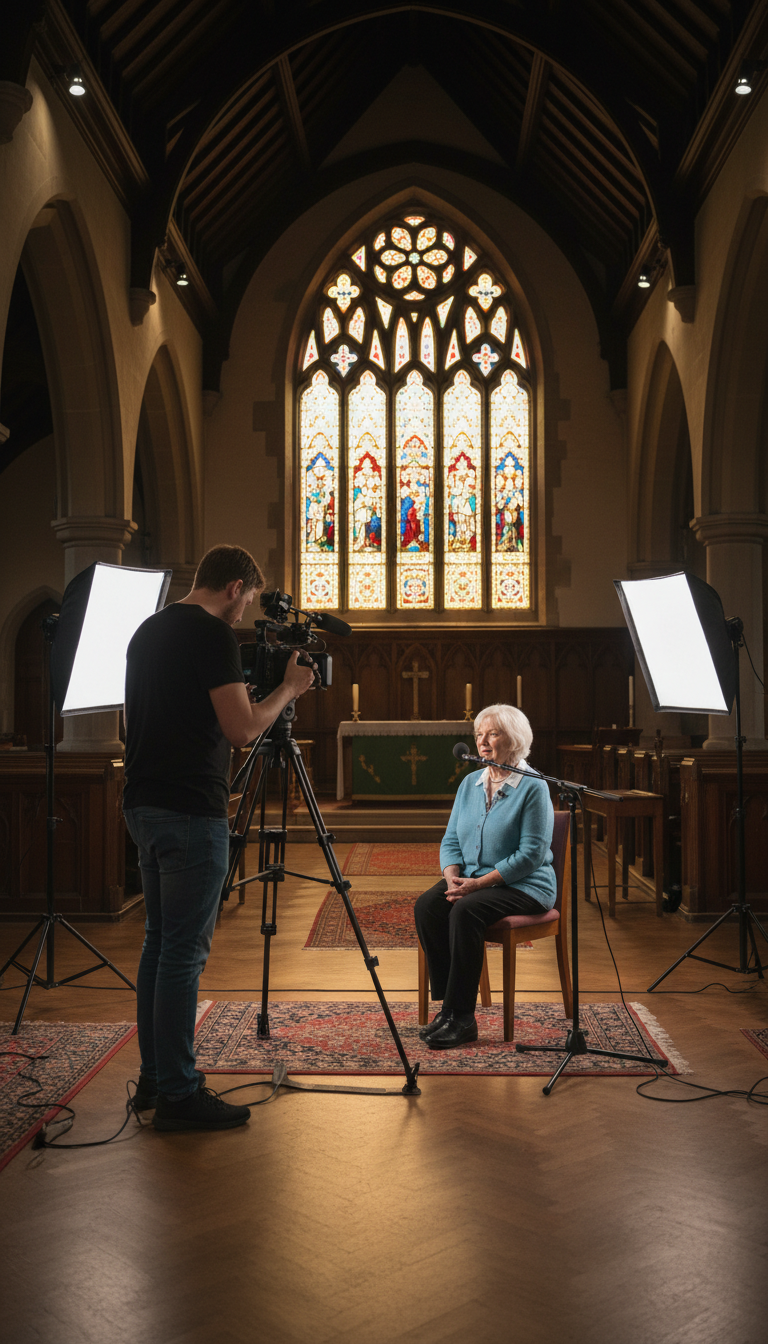
The physical setting where you record should serve as a silent participant in the narrative. Choosing a location that reflects the subject’s journey adds a layer of visual depth to the story. For a testimony focused on physical or emotional healing, a peaceful garden or a quiet park can symbolize new life. If the story involves a life transformed through service, the church sanctuary or a familiar ministry space provides a powerful, symbolic context.
In Kerala and across India, technical challenges often arise from our busy environment. When considering how to film a testimony video, you must actively scan for audio distractions that the human ear often ignores. High-speed ceiling fans, loud air conditioning units, and the constant hum of street traffic or distant horns can ruin an otherwise perfect take. Always prioritize a location where you can control these elements, even if it means recording in a person’s home or a secluded corner of the church hall during off-hours.
A comfortable interviewee is a more expressive one, so ensure they are not distracted by onlookers or uncomfortable temperatures. If a space is too noisy or public, it may be worth seeking professional video production and creative direction to identify or create a controlled environment. This careful attention to the surroundings ensures a consistent and professional brand presence that keeps the viewer’s focus entirely on the message of grace being shared.
Technical Setup for Indian Ministries: Camera, Lighting, and Audio
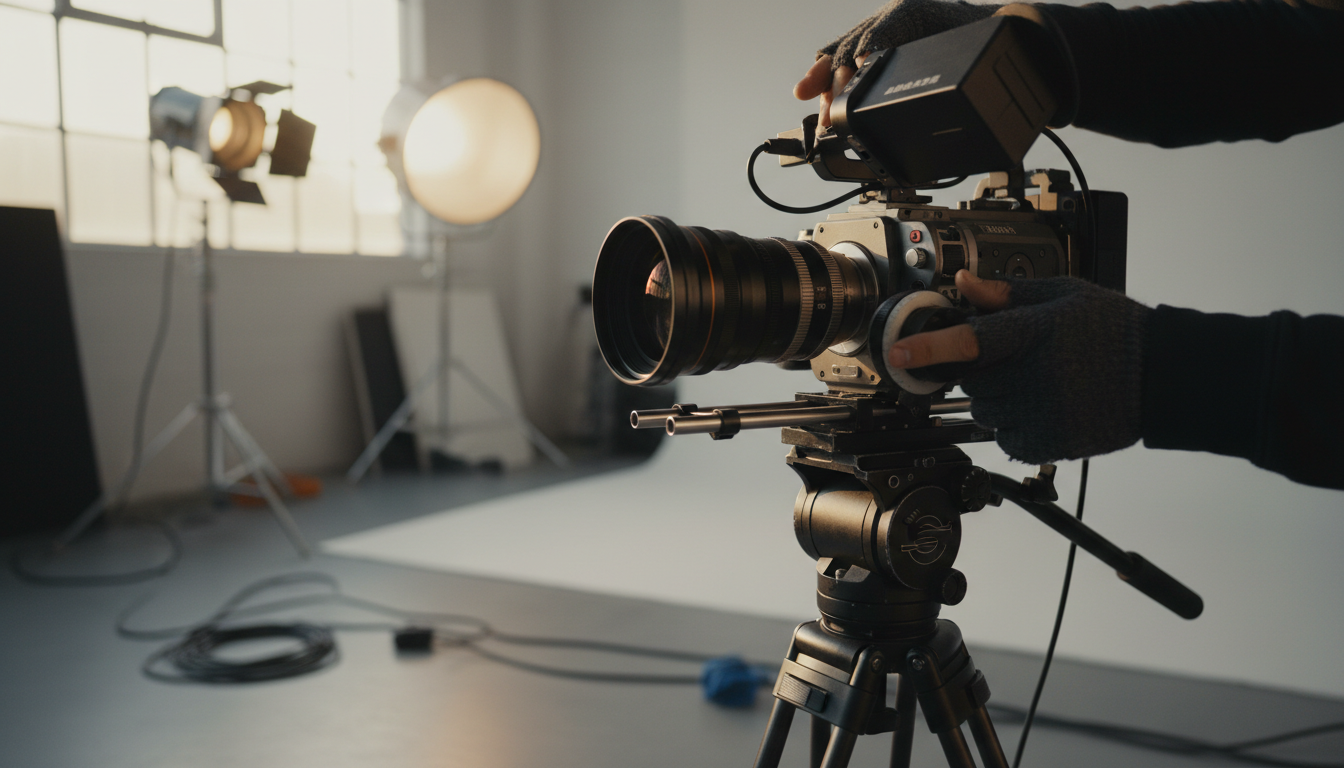
Once the location is secure, you must address the technical trifecta: audio, lighting, and framing. When learning how to film a testimony video, the most critical lesson is that audio is king. While a viewer might tolerate slightly grainy footage, they will immediately disconnect if the sound is muffled or plagued by background noise. If your budget is limited, invest first in a basic lapel microphone that plugs into a smartphone. If a microphone is not an option, place a second smartphone just out of the camera's view to record a voice memo; this ensures the speaker’s voice is captured clearly without the room's echo.
Lighting for diverse Indian skin tones requires a gentle touch. Avoid harsh overhead fluorescent lights or the common LED tubes found in many church halls, as these create unflattering shadows under the eyes and nose. Instead, position your subject at a forty five degree angle to a large window. This soft, natural light brings out a warm, healthy glow and provides a clean aesthetic. If you are filming after sunset, use a softbox or a lamp with a thin white cloth draped over it to diffuse the glare and prevent harsh highlights.
For framing, adopt the rule of thirds. Position the subject slightly to the left or right of the center, allowing their eyes to sit on the upper horizontal grid line. The typical christian testimony video aesthetic is intimate and focused on the face; ensure the background is clean to keep the emphasis on the person’s expression. Instruct the interviewee to look at you, the interviewer, rather than directly into the lens. This creates a conversational, honest tone that feels like a shared witness rather than a staged performance. For ministries aiming for a consistent and professional brand presence, these technical foundations are non-negotiable. While small churches can start with smartphones, partnering for professional video production and creative direction can elevate these stories to a cinematic standard that honors the weight of the testimony.
Technical Element | Budget Approach | Professional Standard |
|---|---|---|
Audio | Smartphone voice memo near subject | Wireless lapel or XLR shotgun mics |
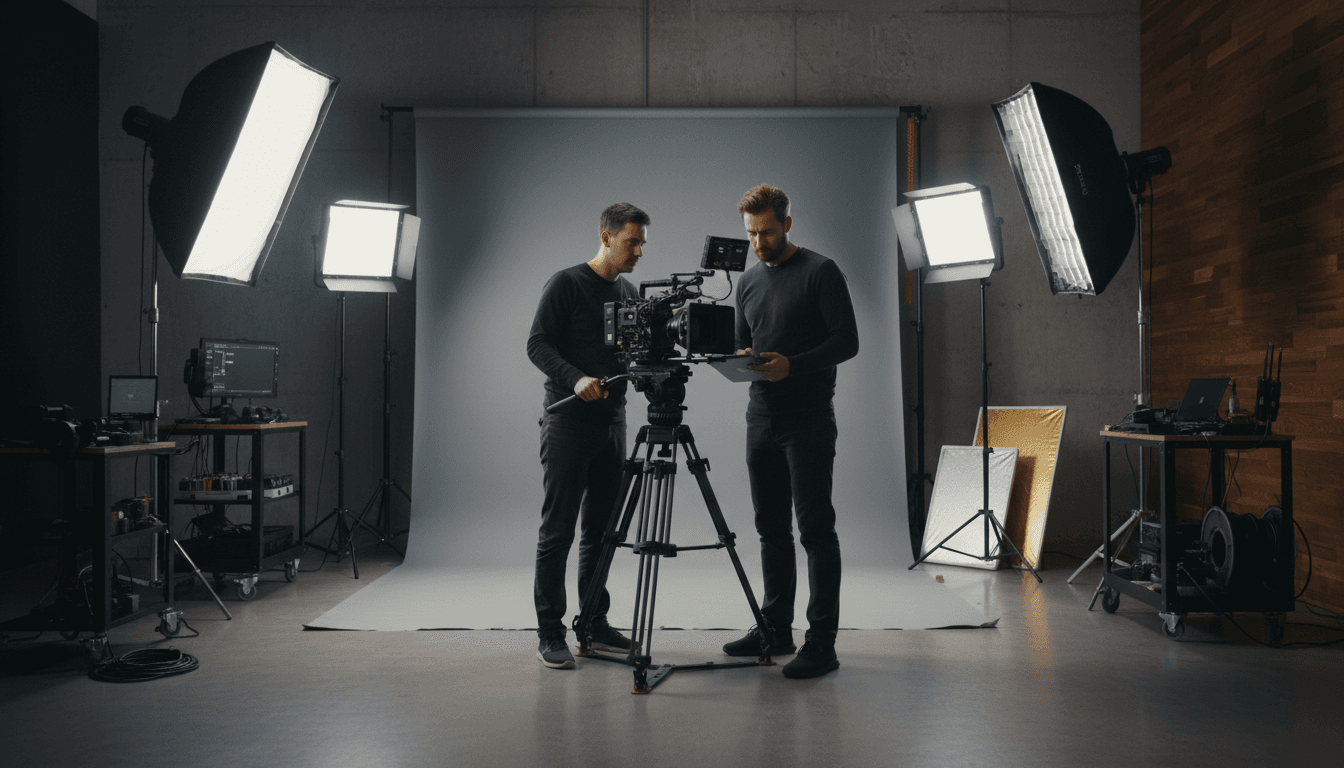
Lighting | Large window (Natural light) | Three-point LED softbox setup |
Camera | Modern Smartphone (1080p/4K) | Full-frame Mirrorless Cinema Camera |
Stabilization | Simple tripod or stable surface | Fluid-head tripod or motorized gimbal |
How to Conduct a Powerful Testimony Interview
The actual interview is where the heart of the message is captured. Start the session with low-pressure, throwaway questions about their day or their family to help the subject relax before diving into deeper spiritual topics. If the person feels more comfortable speaking in Malayalam, Hindi, or another local dialect, encourage them to do so. Authenticity is far more valuable than English proficiency; a story told in one’s heart language resonates with a sincerity that subtitles can easily translate for others.
When guiding the conversation, actively avoid theological jargon like sanctification or justification. These terms, while biblically accurate, can create a barrier for seekers who do not share a church background. Instead, frame questions around relatable concepts such as finding peace, emotional healing, or restored relationships. This approach ensures the consistent and professional brand presence of your ministry remains welcoming and accessible to all.
As an interviewer, your most important role is to listen silently. Avoid the natural impulse to say amen, hallelujah, or yes while they are speaking. These verbal affirmations, though well-intentioned, will overlap with the subject’s voice and make the audio difficult to edit later. Instead, maintain eye contact and offer encouraging nods. Instruct the interviewee to incorporate your question into their answer; for example, if you ask how they felt, they should begin with "I felt..." rather than a one-word response. This creates a standalone narrative that is easier to manage during professional video production and creative direction. By mastering these interview techniques, you learn how to film a testimony video that feels like a natural conversation rather than a rehearsed presentation.
Editing and Branding: How Long Should a Testimony Video Be?
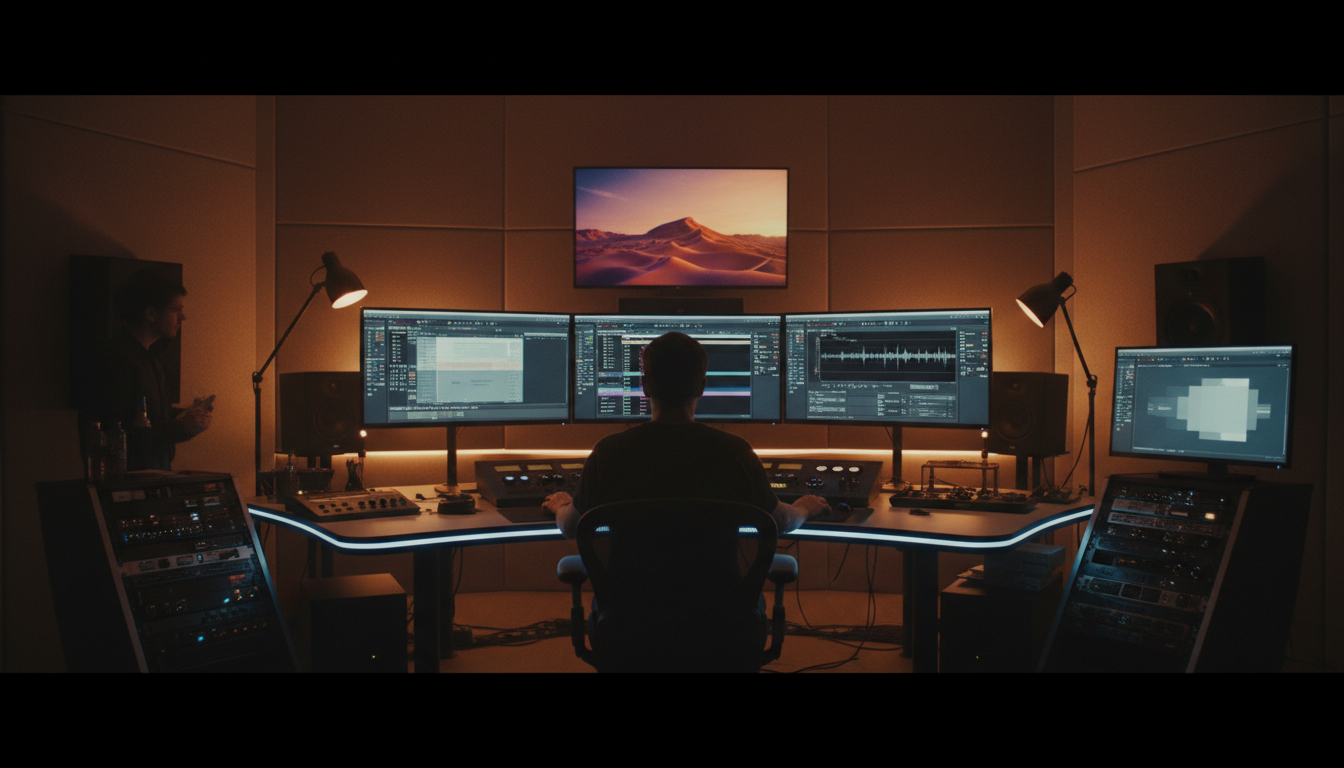
When finalizing your project, the duration should be determined by the platform where it will be viewed. For a Sunday morning service in Kerala, aim for a length between two and four minutes. This duration allows for a complete narrative arc, from the struggle to the triumph, without disrupting the flow of the service. For social media platforms like Instagram or WhatsApp, create shorter highlights under 60 seconds that focus on a single, powerful quote or a specific moment of transformation.
Engagement depends heavily on visual variety. Avoid using only the interview footage; instead, layer in "B-roll" to illustrate the person's life. Include photos of their family, clips of them reading their Bible, or footage of them participating in church ministry. These visuals provide a window into their world and keep the audience emotionally connected to the narrative.
Branding is the final step in establishing a consistent and professional brand presence. Incorporate your church logo subtly and use scripture overlays to highlight the verses that defined the subject’s journey. If the technical side of cutting footage and balancing audio feels daunting, seeking professional video production and creative direction can ensure the final product is polished and impactful. Expert editing ensures that the transitions are seamless and the message remains the primary focus. Mastering these post-production steps is just as vital as knowing how to film a testimony video itself.
Distribution Strategy: Sharing the Message of Hope

A completed video only fulfills its purpose when it reaches the right audience. For the most significant impact, premiere the full version during your Sunday morning service. This communal viewing fosters a shared sense of wonder and encourages the local body. Afterward, upload the complete narrative to YouTube to serve as a long term digital resource for seekers and church members alike. For platforms like Instagram and WhatsApp, which are central to daily life in Kerala, extract sixty second highlights that feature a single, powerful moment of grace. These bite sized clips are highly shareable and act as gateways to the full story.
Ethical stewardship is paramount during this phase. Before any footage is public, ensure the subject has signed a written release form. Confirm they are comfortable with their story being shared on global platforms, as digital reach is permanent. If managing these legal and technical logistics feels overwhelming, partnering for professional video production and creative direction ensures every step follows industry standards. A well planned rollout helps maintain a consistent and professional brand presence while protecting the vulnerability of the individual. Ultimately, mastering how to film a testimony video includes the responsibility of protecting the very people whose lives you are celebrating.