Effective testimony interview questions focus on a believer's life before, during, and after their encounter with God to capture a clear narrative of faith. These prompts should cover specific life challenges, the turning point of conversion, and current spiritual growth to highlight the transformative power of the Gospel. Using a structured list ensures the resulting story is both personal and concise for any audience.
Capturing a powerful testimony often feels like trying to catch lightning in a bottle. You sit down with a camera and a willing heart, yet the conversation frequently stalls at surface level clichés. These shallow responses fail to convey the profound internal shift that occurs when someone truly encounters the Gospel. Without the right framework, the most miraculous stories remain hidden behind nervous smiles and generic phrasing. This guide provides a strategic roadmap for ministry leaders and media creators to bridge that gap. You will discover 21 essential testimony interview questions designed to probe deeper, ranging from the complexities of life before Christ to the specific cultural nuances of walking in faith within an Indian context. We will also cover professional interviewing techniques and technical standards to ensure your production quality matches the eternal weight of the message you are capturing.
Why the Right Questions Matter for a Powerful Church Testimony
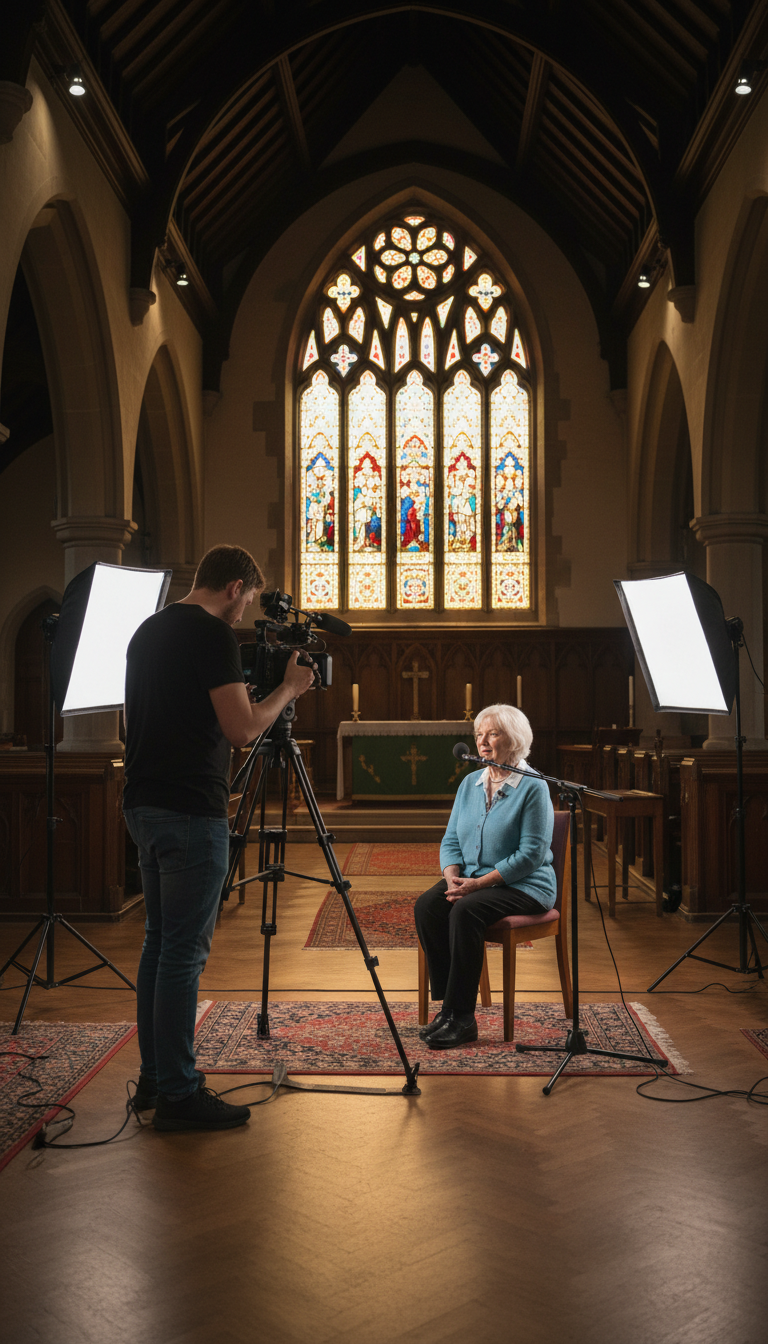
A testimony in the church serves a profound purpose; it is not merely a public speech or a chronological recitation of events. At its core, a testimony functions as a spiritual bridge connecting a believer's raw, personal experience to the overarching glory of God. It provides a living record of how the Gospel penetrates specific lives and circumstances, offering encouragement to the body of Christ while inviting seekers to witness God's character in action. When providing creative direction for ministry, we emphasize that the spiritual impact of a story depends heavily on the clarity and depth of its telling.
For believers in Kerala and across India, faith journeys are rarely simple. These narratives often involve intricate cultural backgrounds, deep-rooted family dynamics, and significant social shifts that are unique to the Indian context. Surface-level inquiries like "Tell us your story" often result in vague, rehearsed answers that gloss over these nuances. To capture the true weight of a person’s transformation, we must use precise testimony interview questions that invite the speaker to reflect on their specific cultural and spiritual transition. Vague questions lead to generic responses, but specific, localized prompts draw out the real story, revealing the authentic cost and joy of following Christ. Utilizing professional video production services ensures these targeted insights are captured with the technical excellence they deserve, honoring the unique path God has laid for the individual.
Phase One: Understanding Life Before the Encounter
To build a compelling narrative, you must first establish the "before" state with enough detail that the audience feels the weight of the person’s need. Generic inquiries often result in superficial answers that fail to resonate; instead, use focused testimony interview questions that dig into the cultural and spiritual complexities of life in India. By identifying the specific holes in a person’s heart, you create a clear contrast for the restorative power of Christ to shine through later in the story.
Consider these localized prompts to help your interviewee articulate their pre-Christian experience:
What specific peace were you searching for that remained elusive within your previous traditions or family rituals?
Describe the particular burdens or anxieties that weighed on you while living in your specific community or city, such as Kochi or Trivandrum.
Before your encounter with Jesus, what were the external social or religious expectations that felt like an impossible weight to carry?
When you faced personal crisis or illness in the past, where did you turn for hope, and why did those sources ultimately fall short?
In your quietest moments, what was the specific void or fear that kept you from feeling truly secure?
Establishing this foundation is essential for high-quality professional video production services. It ensures that the eventual resolution feels earned and impactful. You are not just looking for a list of past sins; you are looking for the "God-shaped hole" that only the Gospel could fill. By focusing on these specific regional and personal pressures, the testimony becomes a relatable anchor for others in similar cultural circumstances.
Phase Two: The Turning Point and Meeting Jesus
After establishing the "before," the narrative must shift to the encounter itself. This is the pivot where the grace of God intersects with human struggle. Capturing the emotional weight of this moment requires going beyond a simple timeline of events; it demands an exploration of the internal transformation. You are looking for the precise moment the light broke through the darkness, moving past the physical setting to the spiritual breakthrough.
When conducting these interviews, use specific testimony interview questions to uncover the heart of the conversion:
Who was the first person to share the Gospel with you in a way that resonated with your specific life circumstances?
Was there a definitive moment of crisis that forced you to look upward, or was it a gradual, slow realization that Jesus was the only answer?
What was the first thing you said to God when you realized He was real and active in your life?
Describe the internal shift you felt the moment you surrendered; was it a sense of peace, a feeling of being known, or a release of long-held guilt?
Focusing on these internal shifts ensures your audience connects with the person's soul rather than just their schedule. Our approach to creative direction for ministry prioritizes these emotional beats, as they are the moments where viewers often see their own need for Christ reflected in the speaker’s eyes. By documenting the exact moment the burden was lifted, you provide a roadmap for others seeking that same relief.
Phase Three: Navigating New Life in an Indian Context
Following the internal breakthrough of an encounter with Christ, a believer must navigate the practical reality of living out that faith within the Indian social fabric. In Kerala and across the country, the decision to follow Jesus is rarely a private matter; it often ripples through complex family structures, neighborhood circles, and long standing cultural traditions. While generic guides often focus solely on personal happiness, a powerful narrative must address the cultural cost of discipleship to resonate with a local audience.
To bridge the gap between spiritual peace and external pressure, use testimony interview questions that acknowledge the weight of these societal shifts. These prompts help the speaker articulate the strength required to stand firm in their new identity.
When you first shared your decision with your family, what was their reaction, and how did you navigate those initial, often difficult conversations?
How have your values or daily lifestyle choices changed when interacting with neighbors or colleagues in your local community?
Describe the specific sense of peace you feel now, especially when faced with misunderstanding or exclusion from your relatives or social circle.
What traditional practices or social expectations did you find most challenging to surrender as you embraced your identity in Christ?
In what ways has the local church body filled the role of a new family for you during seasons of social transition?
Providing creative direction for ministry involves helping the interviewee express how their faith remains unshakable even when their surroundings become unstable. By capturing these nuances through professional video production services, you offer a roadmap of hope for others who may fear the social repercussions of their own spiritual search. These stories prove that the peace of Christ is worth every cultural sacrifice.
The Lightning Round: Short Questions for Social Media Clips
The transition from deep, structured narratives to bite-sized social media content is vital for modern outreach. While long-form stories provide spiritual depth, short-form clips drive the initial connection on platforms like Instagram and YouTube. Utilizing specific testimony interview questions during a lightning round allows you to extract high-energy soundbites that stop the scroll. These micro-moments act as digital invitations, prompting seekers to engage with the full story of transformation later.
Consider these rapid-fire prompts to capture the essence of a believer's heart:
Describe who Jesus is to you in exactly one word.
What is your favorite Malayalam or Hindi worship song that consistently speaks to your soul?
Which specific Bible verse acted as your anchor during your hardest week?
What was the biggest surprise you discovered about God's character after your encounter?
If you could speak to someone in your local community today who is struggling, what three words would you say?
These clips are essential for maximizing digital ministry engagement. When providing creative direction for ministry, we recommend filming these at the very end of an interview when the speaker is most relaxed. Through professional video production services, these snippets can be enhanced with dynamic subtitles and sharp editing, ensuring the message of hope remains clear and professional across all social platforms.
Expert Interviewing Tips: How to Make Guests Feel Comfortable
Capturing a powerful narrative requires more than just a list of testimony interview questions; it requires a safe environment where the speaker feels seen and heard. When providing creative direction for ministry, we prioritize the guest's comfort as the foundation for authenticity. Start by selecting a location that feels familiar and quiet, though we understand that in Kerala, managing background noise from ceiling fans or street traffic is a constant battle. Using high quality lapel microphones and choosing a room with soft furnishings can significantly dampen these distractions.
During the interview, practice active listening. Maintain eye contact and offer non-verbal cues like nodding, which encourages the speaker to continue without the interruption of your voice. One of the most common pitfalls is the use of "Christianese" or heavy theological terms. Phrases like "sanctification," "justification," or "legalism" may be meaningful to a seasoned believer, but they often confuse seekers or new converts watching the video. Encourage your guest to use plain, descriptive language that explains how they felt rather than just the theological category for that feeling.
To reach the deepest levels of emotional expression, suggest that the interviewee speak in their native tongue, whether that is Malayalam, Tamil, or Hindi. The heart often speaks most clearly in the language it first learned to pray in. Through professional video production services, you can later add professional subtitles to ensure the message is accessible to a broader audience while preserving the raw, linguistic beauty of the original story. This approach transforms a standard interview into a profound, relatable encounter.
Technical Considerations for High Impact Testimony Videos
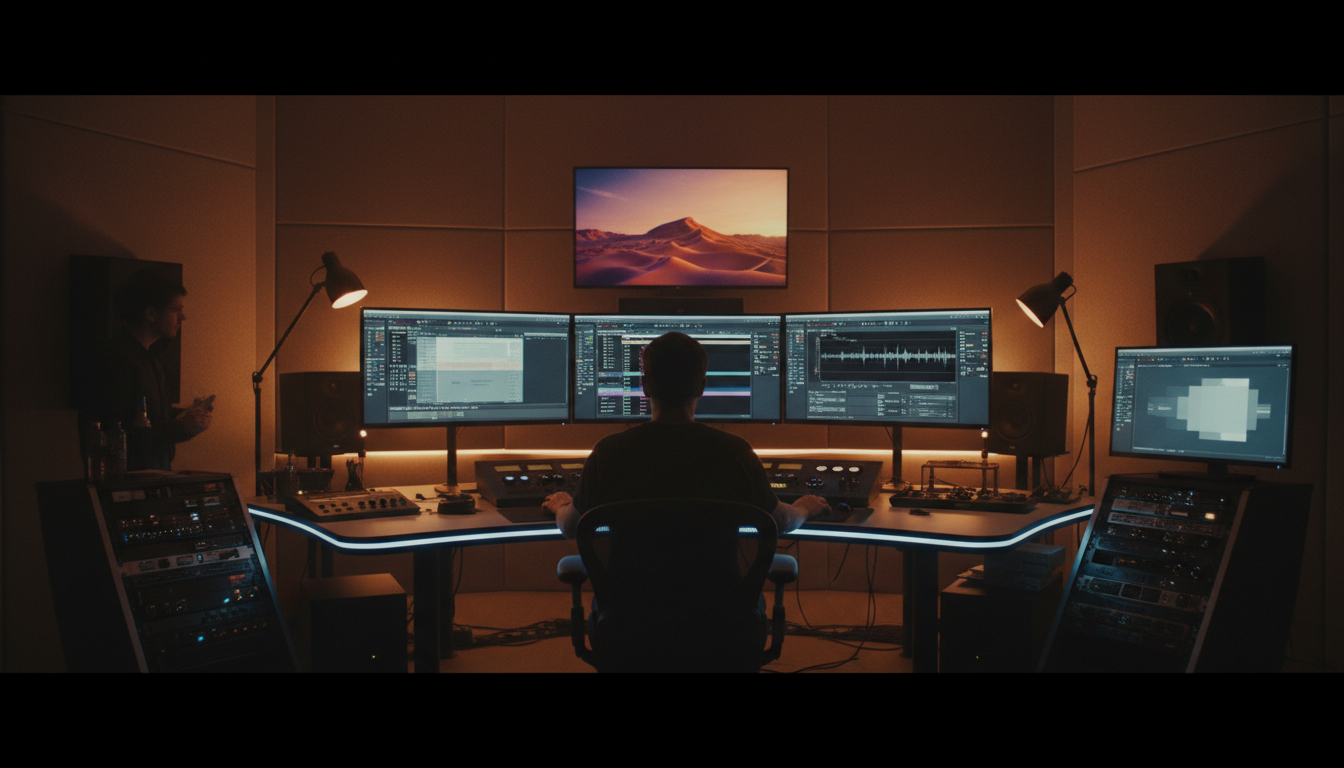
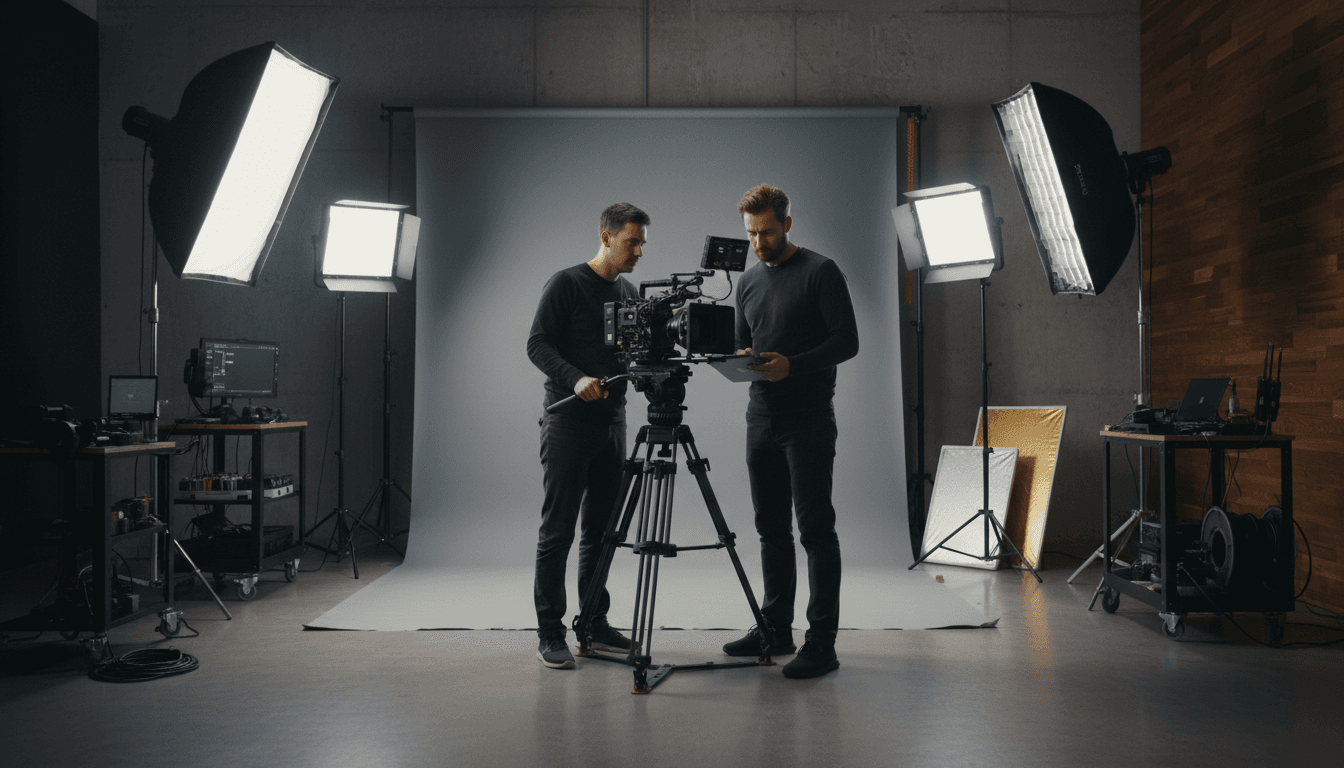
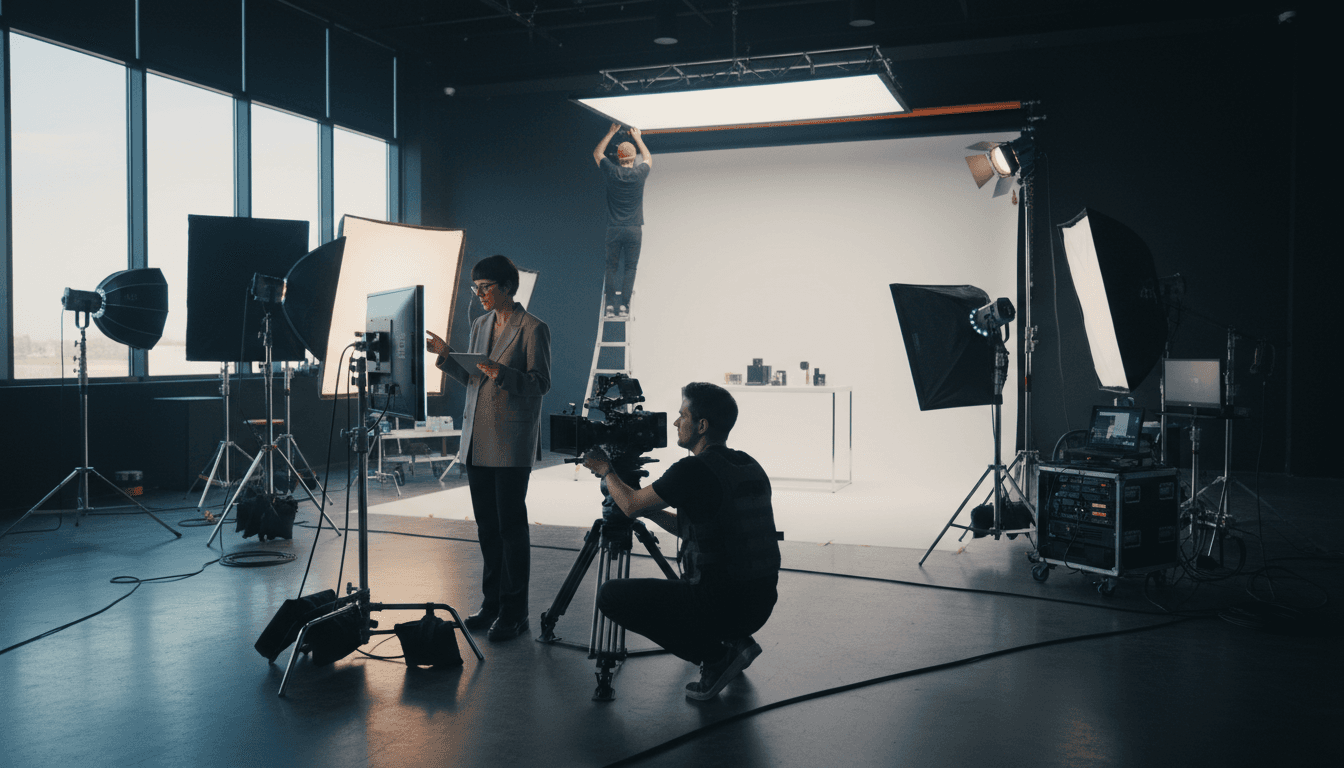
While the heart of the story lies in the answers to your testimony interview questions, the technical execution determines how well that message reaches the viewer. High quality visuals and clear sound remove barriers between the speaker and the audience. Implementing a two camera setup is one of the most effective ways to elevate the production. By positioning one camera for a medium wide shot and another for a tight close up, you gain the ability to cut between angles during editing. This is not just a stylistic choice; it allows you to emphasize specific emotional beats while providing a seamless way to edit out natural pauses or stumbles.
Environmental factors in the Indian context present unique hurdles for professional video production services. Busy street traffic and the constant hum of ceiling fans are common audio disruptors that can pull a viewer out of the moment. We recommend prioritizing high quality audio capture by using directional microphones to isolate the voice from local noise. While professional post production can mitigate some background hiss, a clean recording at the source is irreplaceable. Strategic lighting also ensures the subject remains the focus, creating a professional look even in humble settings. By focusing on creative direction for ministry, we help ensure the technical setup serves as a clear, undistracted vessel for the powerful story being told.