Producing a professional church documentary video involves clarifying your ministry's core message, planning a structured narrative, and capturing high quality interviews that reflect your values. Success depends on gathering diverse footage and editing it into a concise, three to four minute story that inspires the congregation and preserves the church's history.
Many Indian ministries struggle to translate decades of spiritual fruit into a narrative that truly resonates. You have the testimonies and the history, but often, the final video feels like a series of disconnected clips rather than a cohesive story. This gap prevents your message from reaching its full potential and fails to honor the legacy of your mission. A professionally produced church documentary serves as a digital monument, capturing the heart of your ministry for generations to come. In this guide, we will explore the essential steps to elevate your production quality. You will learn how to define a clear purpose, master the technical nuances of ministry interviews, and capture cinematic B roll that reflects the vibrant Indian context. From structured storytelling to sophisticated post production techniques, we provide the roadmap to create a film that inspires and endures.
Understanding the Power of a Church Documentary Video
A church documentary video is fundamentally different from a promotional clip or a weekly recap. While standard promotional videos focus on immediate engagement and upcoming events, a documentary aims for permanence. It serves as a historical record that honors the legacy of a ministry, acting as a bridge between the past and the future. In the context of Kerala and broader Indian ministries, these films often become the cornerstone of Silver, Golden, or Centenary Jubilees. They provide a formal space to document the providence of God through decades of community service and spiritual growth.
The true power of this format lies in its ability to bridge generational divides. By pairing the weathered, seasoned voices of founding elders with high-definition footage of modern worship scenes, the film creates a continuous thread of faith. It transforms abstract history into a tangible narrative that younger members can resonate with. This approach moves beyond the basic mechanics of church activities and delves into the heart of the mission.
For a ministry reaching a milestone, investing in professional video production ensures that these testimonies are preserved with the dignity and cinematic quality they deserve. Through custom creative content, a church can ensure its foundational stories remain an active part of its identity rather than fading into the archives. This specialized storytelling method captures the heartbeat of the congregation, turning years of service into an inspiring visual legacy.
Defining Your Vision and Purpose
Before hitting record, you must articulate the "why" behind the production. A church documentary video requires a specific lens; you must decide if this is a legacy film celebrating a 50-year milestone, a ministry spotlight focusing on a specific outreach program, or a testimony-driven piece highlighting individual transformation. In the Kerala context, our churches often act as pillars of the community, managing hospitals, schools, and social relief initiatives. These histories of social impact are rich with narrative potential and deserve a central role in the storytelling process.
Defining specific objectives early ensures that every frame serves a purpose. Prioritizing two or three core values, such as faith, resilience, or communal unity, provides a compass for the professional video production process. By focusing on specific themes, such as the expansion of a local mission or the impact of educational initiatives, the film remains cohesive rather than cluttered. This clarity ensures that the custom creative content resonates deeply with the congregation while effectively documenting the ministry’s unique spiritual and social contributions.
Developing a Documentary Story Structure for Ministry
A church documentary video requires a deliberate narrative backbone to prevent it from becoming a disjointed collection of clips. While a generic highlight reel focuses on fast-paced montages and upbeat music, a professional documentary uses a three-act structure to take the viewer on a spiritual journey. This framework ensures the custom creative content remains engaging for the full duration of a legacy film.
Act One, The Foundation, focuses on the "Creation" phase. In the Kerala context, this often involves the humble beginnings of a mission, perhaps starting in a small rented room or under the shade of a tree. Highlighting the raw faith and early struggles of the pioneers establishes the emotional stakes. By documenting these foundational years, you ground the ministry’s current success in its historical reality.
Act Two, The Growth, mirrors the biblical theme of "Redemption." Every ministry faces trials, whether through financial hurdles, community opposition, or internal growth pains. Use this section to showcase how faith was put into action to overcome these obstacles. Contrasting archival photos of old structures with footage of new construction or expanded outreach programs creates a visual representation of God’s providence.
Act Three, The Future, centers on the current impact and the vision ahead. This is where the narrative shifts from looking back to looking forward, showcasing the fruit of the ministry’s labor. By integrating these themes naturally, the film avoids feeling like a sermon, instead presenting a living testimony of God’s work. Utilizing professional video production techniques during this phase ensures that the transition between historical accounts and modern-day vision feels seamless and sophisticated.
Mastering the Art of the Ministry Interview
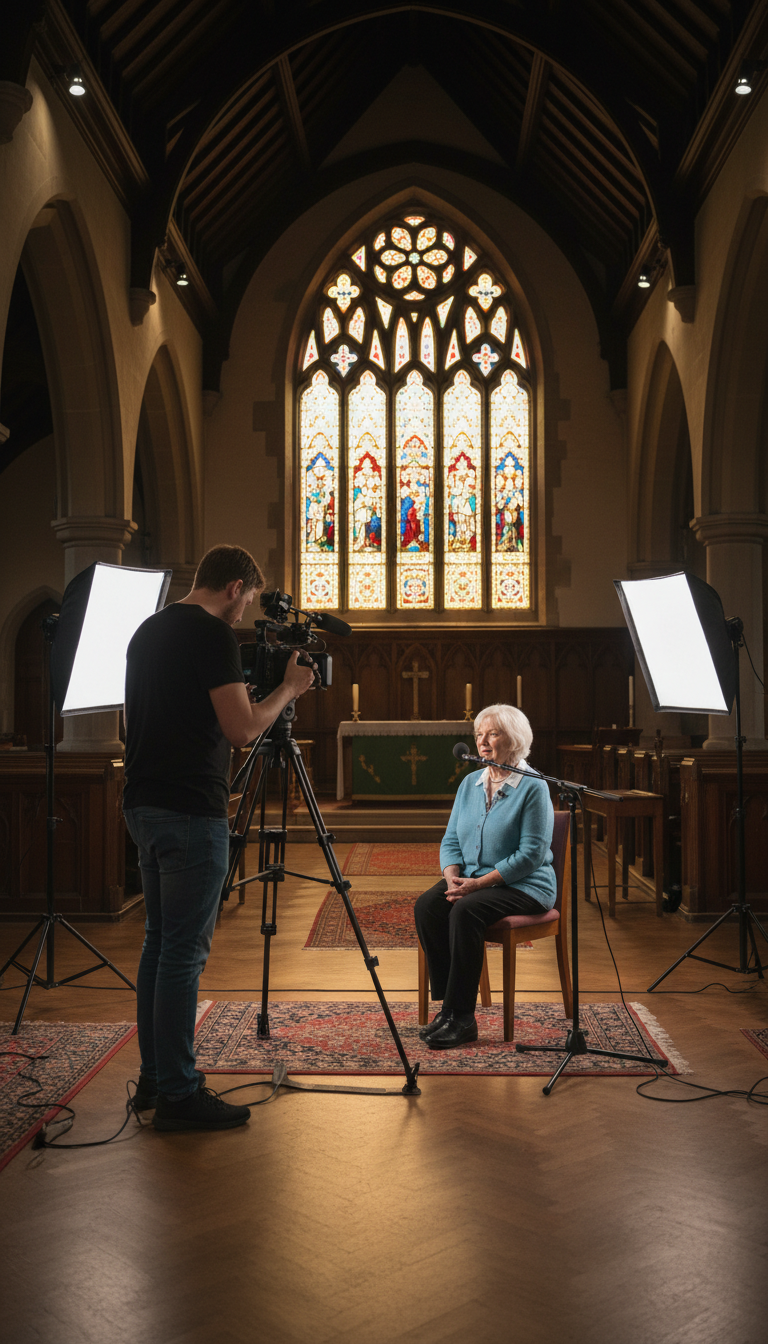
The heart of any church documentary video lies in the authenticity of its interviews. To capture a testimony that resonates, the setting must be conducive to vulnerability. Start by positioning the subject in a familiar, comfortable environment, such as a quiet corner of the sanctuary or a familiar office. Before recording, engage in light conversation to ease their nerves; this helps the individual forget the presence of the camera and speak from the heart. During the filming of custom creative content, the interviewer should remain a quiet observer rather than a lead participant.
Use open-ended questions that invite descriptive storytelling rather than simple "yes" or "no" responses. For instance, instead of asking if a mission was successful, ask: "What was the atmosphere during the first prayer meeting when the foundations were laid?" or "When did you see God move most clearly in this building?" These prompts encourage subjects to tap into their memories and sensory experiences. When a subject finishes a sentence, allow for a few seconds of silence before asking the next question. Often, the most profound insights occur during these quiet moments as the person reflects further on their spiritual journey.
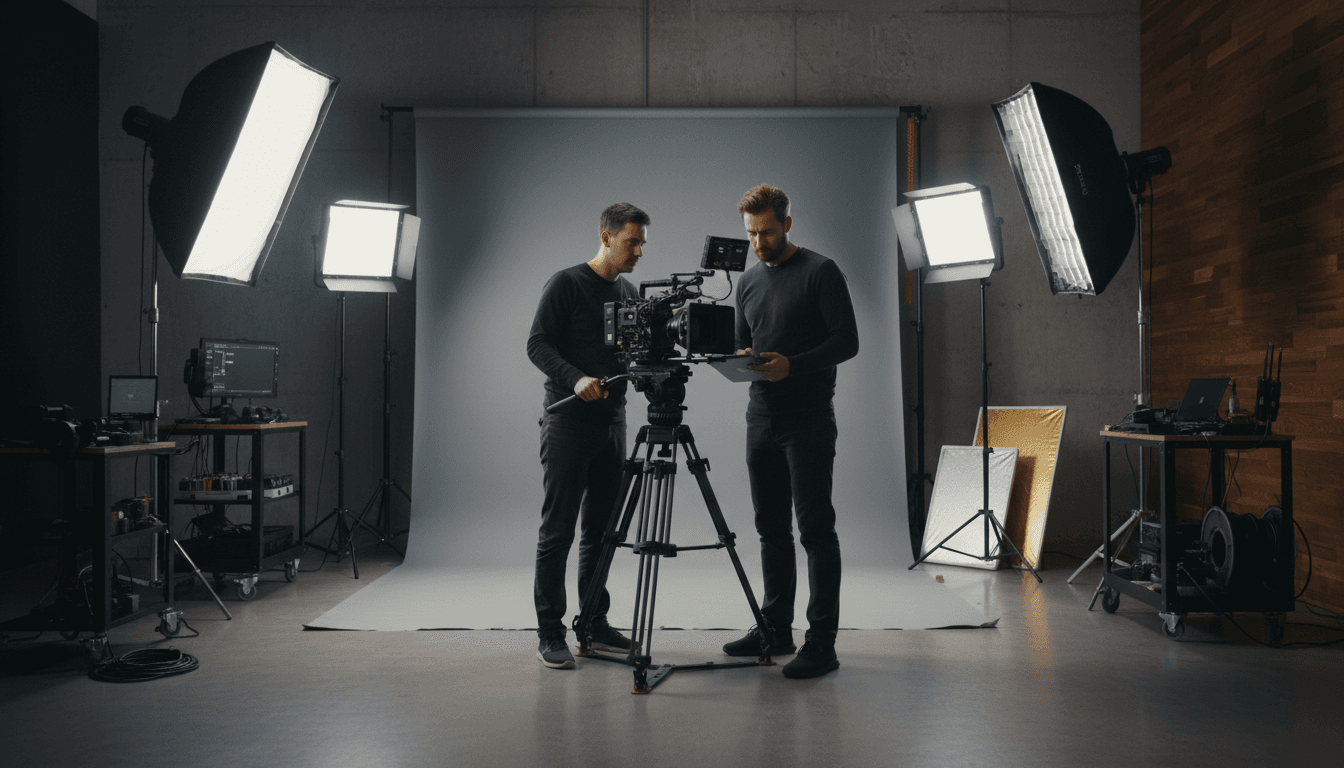
Technical precision is non-negotiable for a respectful presentation. High-quality professional video production requires dedicated microphones to eliminate ambient noise, ensuring every word of a foundational elder's testimony is crisp and audible. Similarly, professional three-point lighting prevents harsh shadows, giving the subject a dignified and clear presence on screen. This combination of thoughtful inquiry and technical excellence ensures that the spiritual weight of the message is never lost to poor production quality.
Capturing Cinematic B-Roll in the Indian Church Context
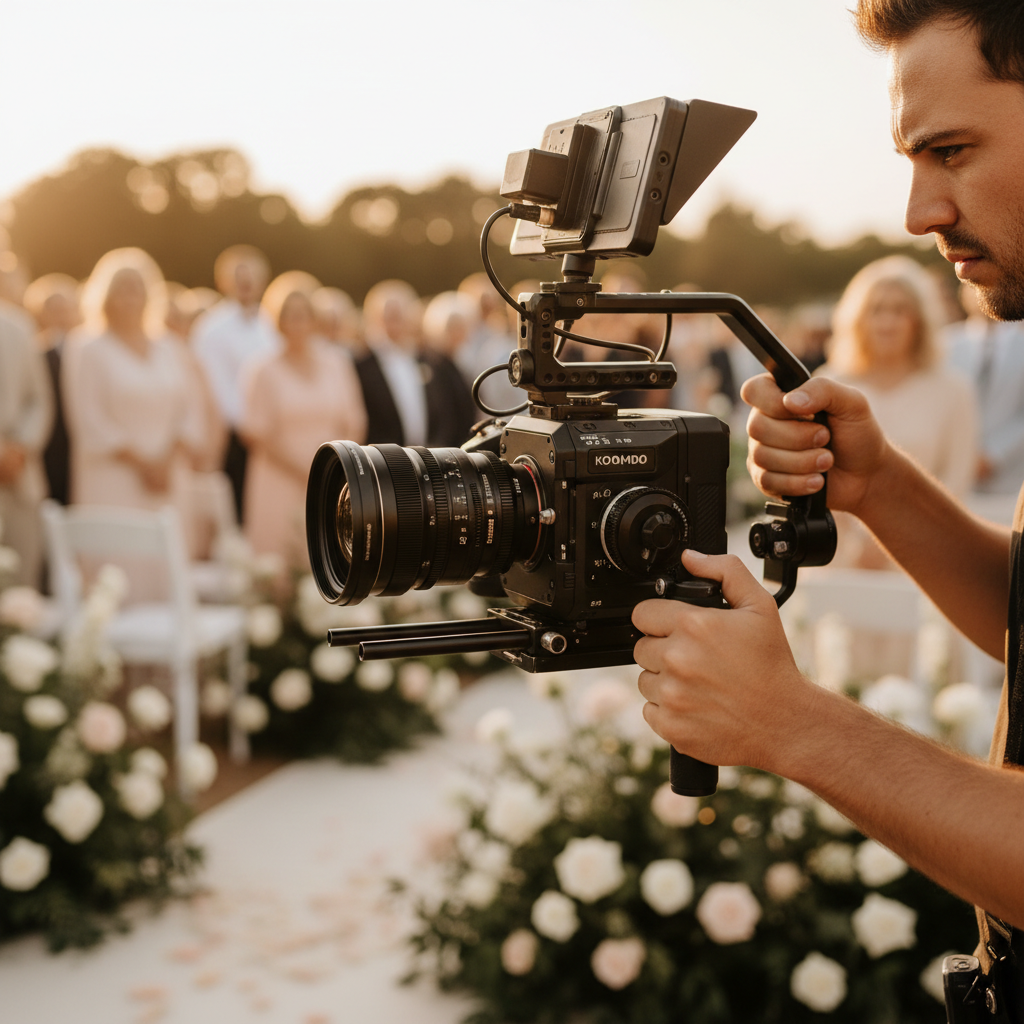
B-roll refers to the supplemental footage that illustrates the narrative and provides visual texture to a church documentary video. Without these supporting visuals, a film remains a series of talking heads that fail to fully engage the viewer’s senses. In the Indian ministry context, B-roll must be intentional, capturing the specific cultural markers that define a congregation’s identity. Focus on cinematic close-ups of weathered Malayalam hymnals, the intricate craftsmanship of the altar woodwork, or the soft glow of traditional lamps during an evening service.
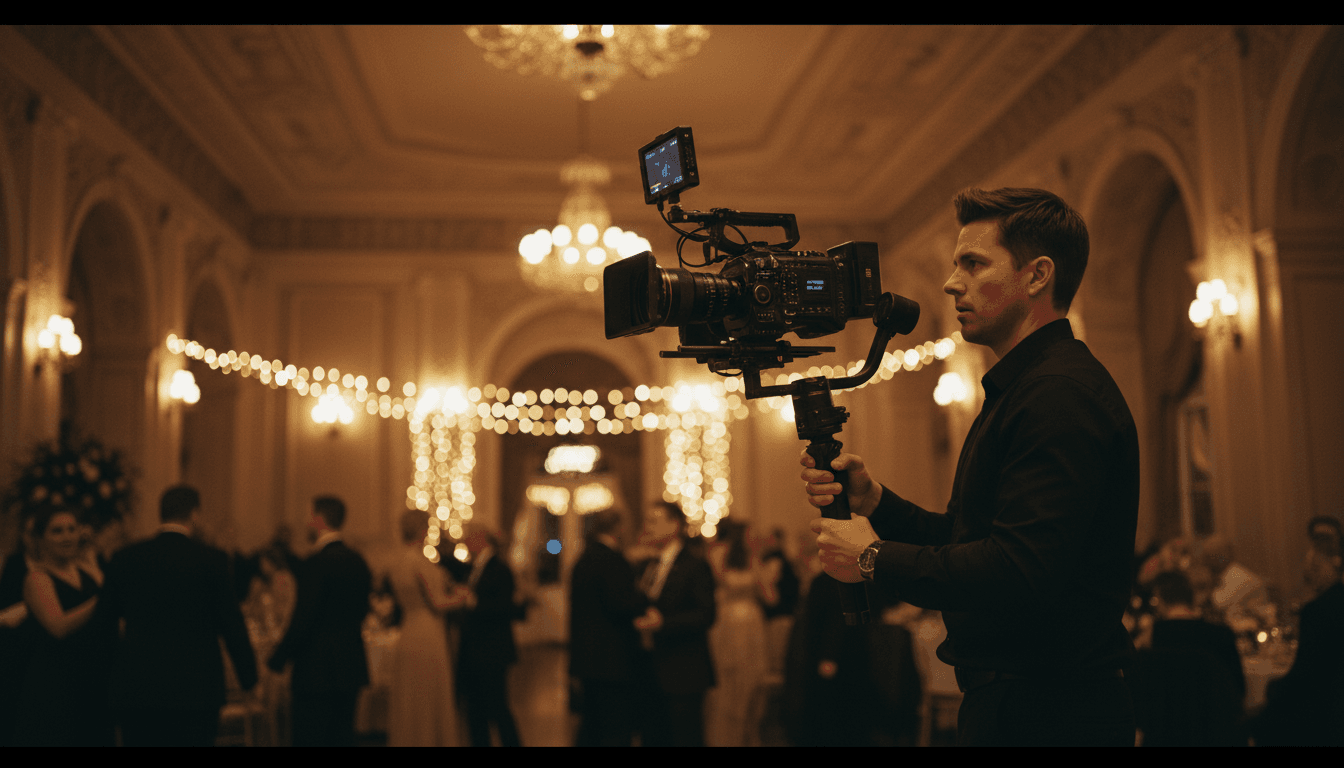
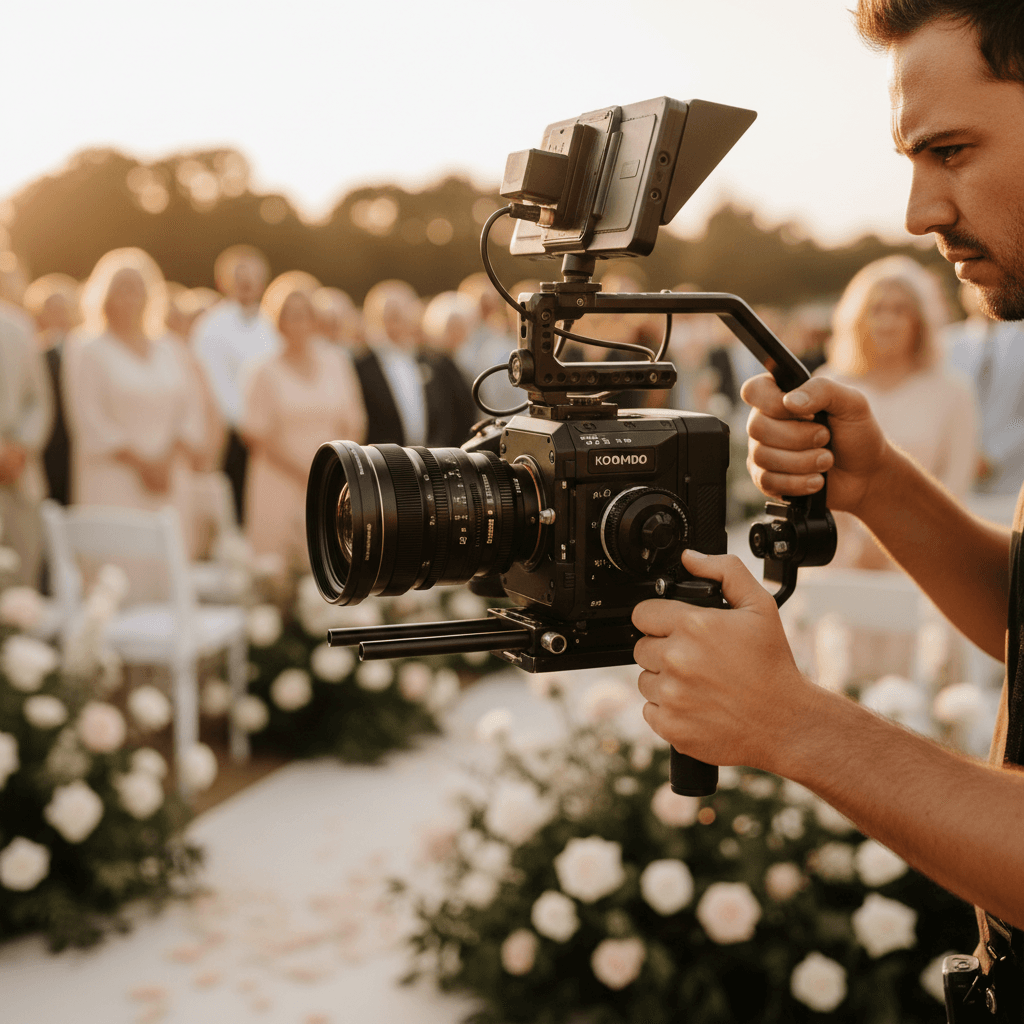
Capturing the heartbeat of the church requires observing the subtle, candid moments that occur between formal segments. Document the congregation in deep, silent prayer, the unique architectural silhouettes of the sanctuary against a Kerala sunset, and the vibrant fellowship that happens over tea after the benediction. These visuals act as the connective tissue for custom creative content, grounding the spoken testimonies in a physical reality. High-quality professional video production utilizes various camera angles, such as slow-motion shots of elders interacting with the youth or wide-angle captures of the entire assembly, to evoke a sense of scale and intimacy. By layering these evocative scenes over the interview audio, the production moves beyond a mere recording and becomes a rich, sensory experience that honors the sacred environment.
Post Production: Editing for Emotion and Clarity
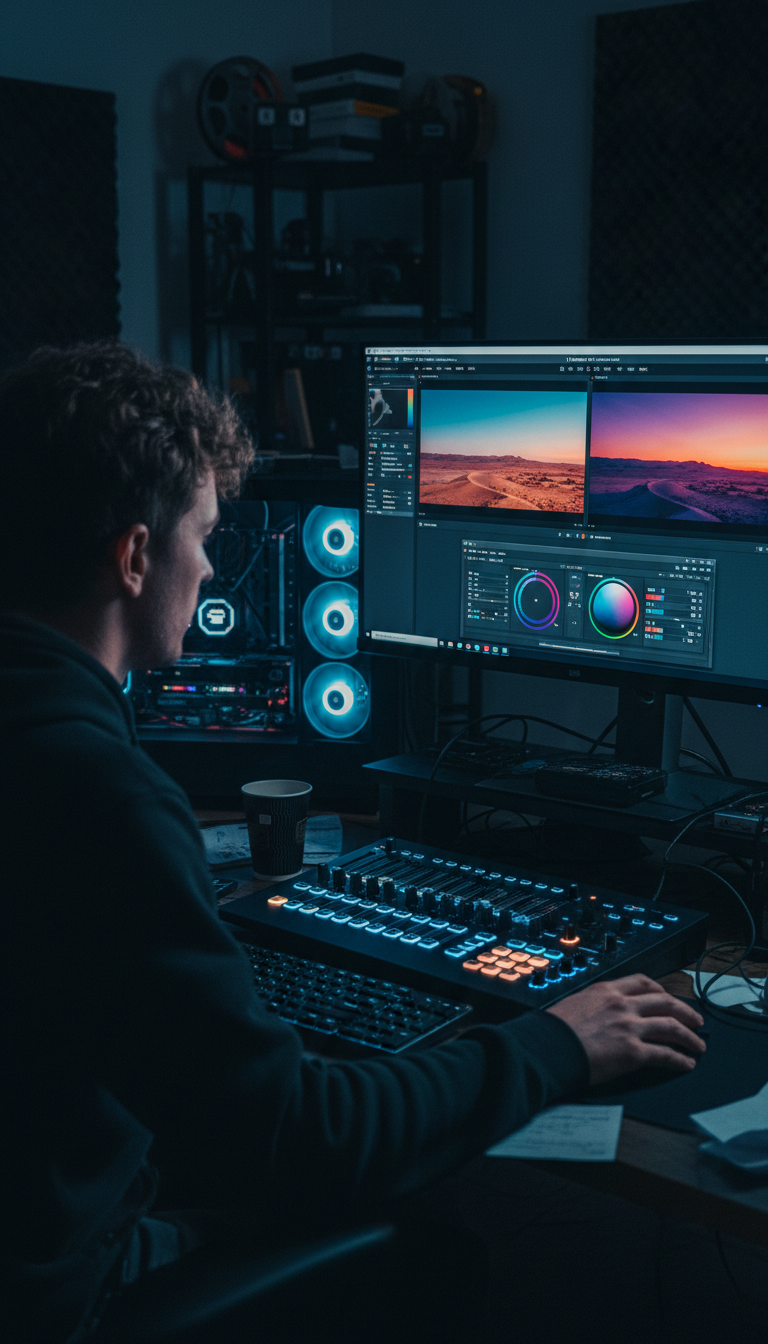
Once the B-roll is captured and interviews are recorded, the assembly phase begins. This is where the raw elements of a church documentary video are woven into a cohesive narrative. The technical execution of post-production determines whether the final film feels like a professional legacy piece or a home movie. A critical first step is selecting an emotive score that complements the spiritual tone. To avoid legal complications or platform takedowns, avoid using copyrighted contemporary worship songs; instead, choose licensed cinematic tracks that mirror the ministry’s atmosphere.
Color grading is another essential tool for creating a sophisticated look. By applying a consistent color palette, an editor can unify footage shot under different lighting conditions or on different cameras. When balancing archival photos with high-definition modern footage, use subtle animation and framing techniques to make the transition feel intentional. This helps the viewer visualize the passage of time without the low-resolution older images feeling out of place.
Maintaining an engaging pace for a 15 to 30 minute legacy film requires expertise in narrative rhythm. Professional editing ensures that the custom creative content flows naturally, keeping the audience invested through every chapter of the ministry’s history. Investing in professional video production at this stage ensures that technical polish never distracts from the clarity of the spiritual message.
Special Considerations for Legacy Anniversary Films
A milestone anniversary, such as a 25 year Silver Jubilee or a 50 year Golden Jubilee, requires a church documentary video that functions as a permanent historical monument. These large scale projects demand a meticulous approach to data gathering. Ministries should invite the wider Kerala community to contribute; this includes reaching out to local residents who have benefited from the church’s social services or former members now living abroad. Including these external perspectives validates the ministry's impact beyond the sanctuary walls and adds layers of social credibility to the narrative.
For the premiere, schedule a dedicated screening during the main anniversary convention. A large scale projection setup ensures the congregation experiences the custom creative content collectively, fostering a shared sense of gratitude. Beyond the event, the final film must be delivered in multiple high resolution digital formats for the church archives. This ensures the story remains accessible for the next generation of leadership. Managing the logistical complexities of these multi-generational projects requires the specialized professional video production expertise that U4CHIRST CREATIONS provides to organizations across Kerala, ensuring every milestone is honored with cinematic excellence.
Common Mistakes to Avoid in Church Video Production
Neglecting audio quality remains the most critical error in a church documentary video. Stunning visuals cannot compensate for muffled testimonies or echoing sanctuary acoustics; these technical flaws break the viewer's immersion. Another common pitfall is narrative bloat. Without a disciplined three-act structure, films often become overly long and lose their emotional impact.
Cultural nuances must also be respected. Failing to capture specific Kerala liturgical traditions or social service milestones can make the film feel generic. Regarding cost, while DIY approaches work for small social media updates, high-stakes legacy projects demand professional video production. The sophisticated stabilization, high-end sensors, and expert editing involved in custom creative content are essential to ensure the final product reflects the dignity of the ministry’s history.
Creating a powerful church documentary requires a balance of spiritual storytelling and technical precision. By focusing on authentic testimonies and high quality visuals, your ministry can effectively share its unique journey with the world. While these steps provide a solid foundation, producing a truly cinematic experience involves many complex moving parts. If you want expert help to elevate your vision, feel free to contact us today. We are here to help you capture every miracle with the professional care your story deserves.